Retro Number Seven: A Designer’s Review for Personalized Gifts
As an embroidery designer who has spent years digitizing patterns and testing them on everything from delicate muslin to heavy canvas, I approach every new machine embroidery design with a critical eye. It is not just about how it looks on the screen; it is about how it behaves under the needle and how it resonates with the end customer. Recently, I had the opportunity to review Retro Number Seven, a charming digitization intended for personalized gift products. This review is written from the perspective of a professional preparing to integrate this asset into a custom gift shop inventory, focusing on practical application, aesthetic appeal, and technical performance.
First Impressions: Mood and Charm
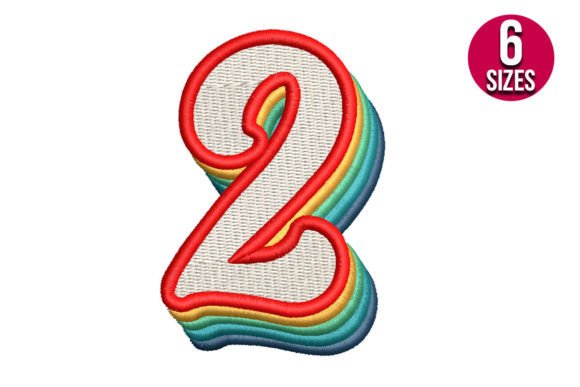
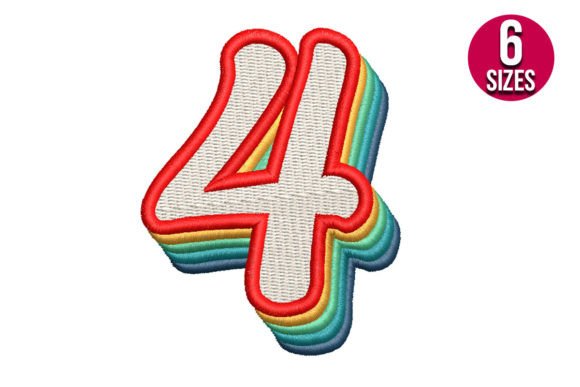
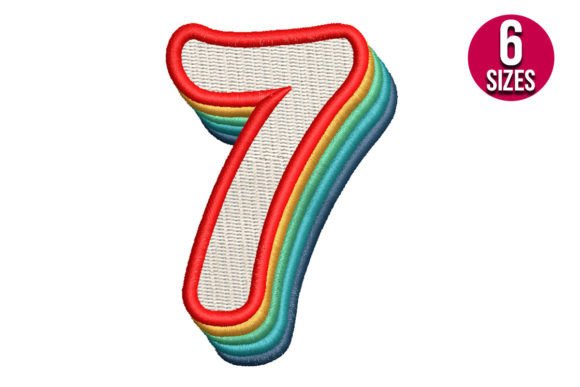
The moment I loaded the embroidery file into my software, the immediate impression was one of playful nostalgia. Retro Number Seven does not try to be overly complex or hyper-realistic. Instead, it leans into a sweet, handmade aesthetic that feels both classic and modern. The lines are clean, suggesting a digitizer who understands the limitations of thread while maximizing visual impact. For those of us in the business of creating emotional connections through craft, this mood is crucial. It feels welcoming, slightly whimsical, and undeniably warm.
This design fits perfectly into the Birthdays category, but its versatility extends far beyond annual celebrations. The retro styling gives it a timeless quality, making it suitable for nursery decor, vintage-inspired home accents, and even adult milestone gifts. It avoids the trap of looking too juvenile, which is a common pitfall with number designs, allowing it to serve a broader demographic of buyers.
Real-World Applications for the Modern Maker
When planning a product line, I always ask: where does this design live best? For Retro Number Seven, the applications are diverse. Here is how I envision using it in a real-world production environment:
- Baby Embroidery: Imagine this stitched onto a soft, organic cotton onesie or a receiving blanket. The simplicity of the number allows it to stand out without overwhelming the small garment. It is perfect for marking a seventh month milestone or a seventh birthday.
- Home Decor and Kitchen Linens: An embroidered towel featuring this number adds a personalized touch to a housewarming gift. It pairs beautifully with initial monograms or simple floral motifs.
- Wedding and Anniversary Gifts: While primarily a birthday asset, the retro vibe works wonderfully for seventh anniversaries. Stitching it onto a pillow cover or a tote bag creates a meaningful keepsake that celebrates longevity and tradition.
- Etsy Seller Listings: For digital product sellers, this design offers high perceived value. It can be marketed as part of a "Milestone Bundle," appealing to parents who want to document their child’s growth through custom embroidery.
The key to success with this design is context. On a plain canvas tote, it becomes a statement piece. On a textured waffle-weave blanket, it adds depth. Understanding these nuances helps in creating compelling printable mockup images that drive buyer engagement.
Technical Considerations and Fabric Compatibility
While Retro Number Seven is visually appealing, any experienced embroiderer knows that aesthetics must be backed by technical stability. Before running this design on customer orders, several factors require careful attention.
Fabric Texture and Stability: The design performs best on stable, medium-weight fabrics. When working with textured fabric like terry cloth towels, you must ensure the stitch density is sufficient to prevent the fabric pile from obscuring the details. Conversely, on stretchy baby clothes, proper stabilization is non-negotiable. I recommend using a cut-away stabilizer for garments that will undergo frequent washing to maintain the integrity of the finished product.
Thread Colors and Contrast: Because this is a retro-style number, color choice defines its character. Pastel threads on white fabric create a soft, nursery-appropriate look, while bold primary colors on denim evoke a playful, energetic vibe. Always test your thread colors on scrap fabric first. What looks vibrant on screen may appear muted on dark fabric. If stitching on dark materials, consider using a lighter underlay or adjusting the pull compensation to ensure the number remains legible.
Hoop Size and Placement: Although specific dimensions were not provided in the initial description, it is vital to confirm the hoop size requirements before purchasing or stitching. Ensure the design fits comfortably within your machine’s maximum hoop area, leaving enough margin for secure clamping. For curved surfaces like baby hats or sleeves, use a smaller hoop to maintain tension and prevent puckering.
Enhancing Perceived Value and Customer Trust
In the world of handmade sales, particularly for an Etsy seller or small shop owner, the perceived value of a product is often tied to the quality of the embellishment. Retro Number Seven contributes significantly to this perception. A clean, well-stitched number signals professionalism and care. It transforms a generic item into a personalized gift that feels exclusive and thoughtful.
When customers see a neatly embroidered number on a high-quality blanket or apron, it builds trust. They recognize the effort involved in commercial embroidery and are more likely to appreciate the price point. Furthermore, the emotional connection fostered by personalized items leads to higher buyer engagement and repeat business. Customers are not just buying a number; they are buying a memory marker.
Practical Steps Before Production
To ensure consistent quality when using Retro Number Seven in your shop, follow this checklist:
- Test on Scrap Fabric: Never skip the test stitch. Use the same fabric type and weight intended for the final product.
- Check Stitch Density: Review the design settings to ensure the density is appropriate for the fabric. Too dense, and it may pucker; too sparse, and the backing may show.
- Verify Licensing: Before selling any small shop product featuring this design, confirm the commercial licensing terms associated with the digital embroidery file. Ensure you have the right to sell finished goods.
- Inspect Small Details: After stitching, examine the curves and corners of the number seven. Look for any thread breaks or loose ends that need trimming.
- Compare Mockups: Create visuals showing the design on both light and dark fabrics to help customers visualize their options.
In conclusion, Retro Number Seven is a versatile and charming addition to any embroidery designer’s library. Its blend of retro charm and clean execution makes it ideal for a wide range of personalized gifts, from baby milestones to wedding keepsakes. By paying attention to fabric choice, stabilization, and thread contrast, you can leverage this design to create high-value, emotionally resonant products that stand out in the competitive handmade market. Whether you are crafting a single blanket embroidery project or scaling up for a holiday season rush, this design offers the reliability and aesthetic appeal necessary for professional results.