Diamond Pattern: A Designer’s Review for Personalized Gifts
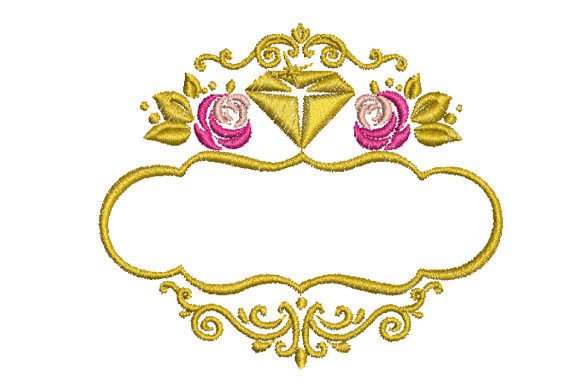
As an embroidery designer who has spent years digitizing and testing patterns for small businesses, I approach every new machine embroidery design with a critical eye. It is not just about how it looks on the screen; it is about how it performs in the hoop, how it feels to the touch, and whether it will sell in a crowded marketplace. Recently, I had the opportunity to test the Diamond Pattern, a design that promises versatility for everything from pocket reading pillows to custom outfits. After running it through my standard quality checks and mock-up phases, I am ready to share my insights on whether this design deserves a spot in your digital library.
First Impressions: Mood and Aesthetic Appeal
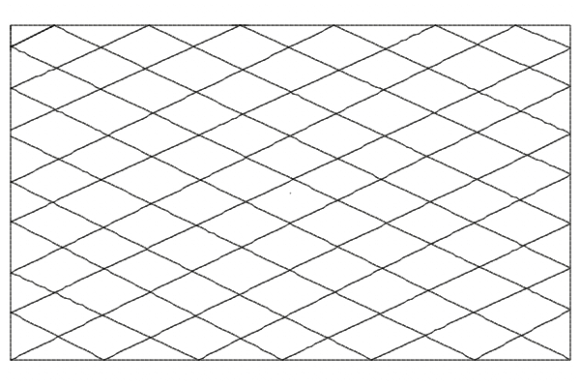
The first thing that strikes you about the Diamond Pattern is its timeless elegance. In a world saturated with overly complex, high-density designs, this pattern offers a refreshing sense of balance. It feels both classic and modern, striking a chord that appeals to a wide demographic. The geometric nature of diamonds suggests structure and luxury, yet when rendered in thread, it softens into something warm and inviting.
I would describe the mood as sophisticated but approachable. It does not scream for attention; rather, it whispers quality. This makes it an ideal candidate for customers who appreciate subtle, handmade details over loud, flashy graphics. For an Etsy seller or a boutique owner, this aesthetic is gold. It translates well into a "quiet luxury" vibe that is currently trending in home decor and personalized apparel. Whether you are aiming for a romantic feel for wedding gifts or a playful yet refined look for baby items, the design holds its own without needing excessive embellishment.
Versatility Across Product Categories
One of the strongest selling points of this embroidery file is its adaptability. During my review, I visualized this pattern on several different products to gauge its commercial potential. Here is where I believe it shines brightest:
- Baby Embroidery: The clean lines work beautifully on baby blankets and burp cloths. It adds a touch of heirloom quality to nursery items without being gender-specific, making it a safe and attractive choice for shower gifts.
- Wedding Gift Keepsakes: Imagine this pattern embroidered on linen napkins or a ring bearer pillow. The geometric symmetry complements the formal nature of weddings, offering a personalized touch that feels intentional and high-end.
- Home Decor: As mentioned in the product description, this design is perfect for a pocket reading pillow. The pattern provides enough visual interest to anchor the piece while leaving room for monograms or names. It also works exceptionally well on tote bags and aprons, turning everyday utility items into stylish accessories.
- Kitchen Textiles: An embroidered towel featuring this diamond motif elevates a simple kitchen staple into a gift-worthy item. It pairs well with both modern minimalist kitchens and rustic farmhouse styles.
Technical Considerations for the Maker
While the design is visually appealing, practical application requires attention to detail. As a professional, I always advise checking the specific technical specs provided with your digital embroidery file. Since the product description notes that it comes with multiple files, you likely have options for different hoop sizes. However, you must confirm the hoop size compatibility with your machine before starting.
Stitch density is another crucial factor. Geometric patterns can sometimes be dense, which may cause puckering on lightweight fabrics. I recommend testing on scrap fabric first. If you are working with delicate materials like silk or thin cotton for a personalized gift, ensure you use the appropriate stabilizer. A cut-away stabilizer might be necessary for stretchy baby clothes, while a tear-away could suffice for stable woven fabrics like towel linens.
Pay close attention to thread colors. The Diamond Pattern relies on contrast to define its shape. On dark fabrics, use light or metallic threads to make the design pop. On light fabrics, consider deep jewel tones or contrasting pastels. Always run a test stitch to check for small details. If the diamonds are very small, ensure your machine is calibrated correctly to prevent thread breaks or skipped stitches.
Navigating Fabric and Surface Challenges
Not every surface is created equal. While this design is versatile, there are areas where you should proceed with caution. Curved surfaces, such as the toe of a sock or the cap of a hat, can distort geometric patterns. The straight lines of the diamonds may appear warped if not hooped perfectly taut. Similarly, textured fabrics like thick terry cloth towels can hide fine details. If you are embroidering on a plush towel, ensure the design size is large enough so the definition isn't lost in the pile.
For stretchy fabrics, such as those used in baby onesies or athletic wear, the stability of the diamond shape depends heavily on your hooping technique and stabilizer choice. Always use a floating method or strong adhesive stabilizer to prevent shifting. Additionally, consider the end-use of the product. Items that undergo frequent washing, like kitchen towels or baby bibs, need robust stitching. Check the satin stitch width; if it is too narrow, it may snag over time.
Enhancing Perceived Value and Customer Trust
From a business perspective, the Diamond Pattern adds significant perceived value to a handmade product. Customers often associate geometric precision with higher quality craftsmanship. When they see a crisp, well-executed diamond pattern, it signals that the maker is skilled and attentive to detail. This builds trust, which is essential for converting browsers into buyers.
For your online listings, this design photographs beautifully. The symmetry allows for clean, balanced composition in your product photos. Use a printable mockup to show potential buyers how the design looks on various items before you even stitch a single thread. This helps manage customer expectations and reduces the likelihood of returns. Highlighting the "custom embroidery" aspect in your descriptions can further justify a higher price point, as buyers recognize the labor and skill involved in creating a unique, personalized item.
Final Verdict for Small Shop Owners
If you are looking to expand your catalog with a design that bridges the gap between traditional charm and modern simplicity, the Diamond Pattern is a strong contender. It is suitable for a wide range of applications, from blanket embroidery to chic apparel. However, success lies in the execution. Take the time to understand the file formats, test on your specific fabrics, and choose your thread colors wisely.
Remember to verify the commercial licensing terms included with your purchase. Most digital designers allow you to sell finished physical products, but restrictions on sharing the file itself are standard. By respecting these terms and delivering a high-quality finished product, you can build a loyal customer base that appreciates the artistry of Sewing and Embroidery. This design is not just a pattern; it is a tool to help you create meaningful, lasting gifts that resonate with your customers' desire for beauty and personalization.