Retro Number Two: A Designer’s Review for Custom Embroidery
As an embroidery designer who spends hours digitizing and testing files, I am always cautious about adding new assets to my library. We all know the frustration of downloading a digital embroidery file that looks perfect in the preview but turns into a thread nest on the machine. Recently, I came across Retro Number Two on Creative Fabrica and decided to put it through its paces. This isn’t just a quick glance; this is a review based on how this design performs in real-world applications for small business owners and crafters.
First Impressions and Visual Appeal
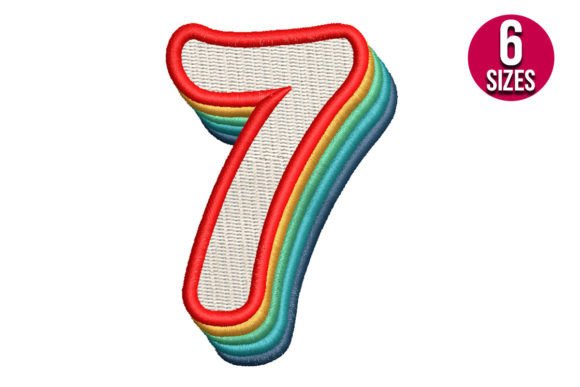
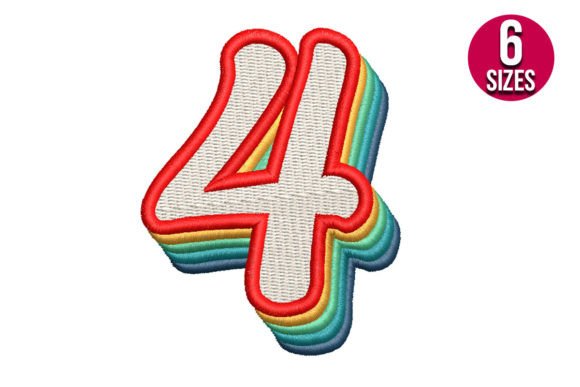
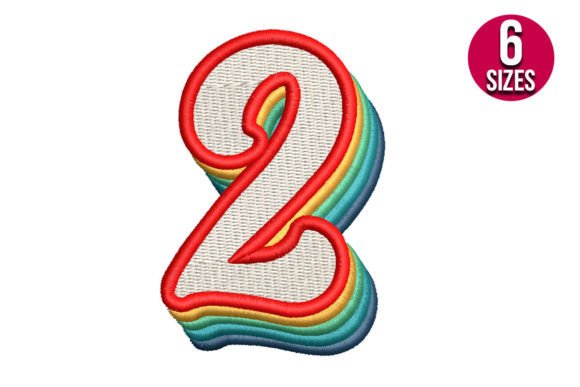
The first thing that strikes you about Retro Number Two is its charming aesthetic. It captures a specific nostalgic mood that is currently trending in handmade markets. The design features clean lines and a playful structure that suggests a mid-century modern influence. For those of us creating personalized gifts, this visual style is gold. It doesn’t look like a generic clipart conversion; it has a distinct personality that translates well into thread.
The detail level is balanced. It is intricate enough to look professional and high-value, yet simple enough to stitch out reliably on various home machines. When I loaded the embroidery file into my software, the stitch path looked logical. There were no excessive jumps or confusing underlay structures that often plague poorly digitized numbers. This initial technical check gave me confidence to move forward with physical testing.
Real-World Application for Birthdays and Beyond
While this design falls under the Birthdays category, its utility extends far beyond a single annual celebration. I tested this design on several different substrates to see where it shines. Here is how Retro Number Two performed across common project types:
- Custom Apparel: I stitched this onto a heavyweight cotton sweatshirt. The retro vibe pairs perfectly with oversized, comfortable clothing trends. The design stood out clearly against the heather gray fabric, proving its versatility for sweatshirt embroidery.
- Tote Bags: For a canvas tote bag design, the number held its shape well. Canvas can be tricky due to its weave, but with the right stabilizer, the stitches lay flat and crisp.
- Baby Items: This is arguably the strongest use case. I applied it to a soft muslin baby blanket. The cute, rounded edges of the number two feel safe and friendly for nursery decor. It makes for an adorable handmade product that parents love to photograph.
- Embroidered Patches: I ran a test on twill fabric to create an iron-on patch. The density was sufficient to hold up without backing showing through, making it a great option for boutique merchandise.
Technical Performance and Stitching Notes
Let’s talk about the nuts and bolts of stitching. As a professional, I need to know how a machine embroidery design behaves under pressure. Retro Number Two appears to utilize a mix of fill stitch and potentially some running stitch details, though exact stitch types depend on the specific format you choose. The stitch density seems moderate, which is crucial for avoiding puckering on stretchy fabrics.
However, there are practical considerations to keep in mind. If you are working with dark fabric, you must pay attention to your thread colors. A high-contrast thread choice will make the retro style pop, while low-contrast threads might cause the details to get lost. I recommend doing a test run on scrap fabric first. This allows you to check tension and ensure that any small decorative elements are not too dense for your specific machine.
Another critical factor is the hoop size. Before purchasing, you must verify that the design fits within your available hoop dimensions. While the description mentions multiple file formats, it does not specify exact inch measurements. Always check the product details on the Creative Fabrica embroidery page to confirm compatibility with your machine, whether you are using a 4x4, 5x7, or larger hoop.
Fabric and Stabilizer Considerations
For items that require frequent washing, such as kitchen towels or baby clothes, stability is key. I found that using a cut-away stabilizer provided the best results for long-term durability. If you are stitching on textured fabric, you may need to adjust your tension slightly. The design does not appear to be an applique design, so you won’t have to worry about fabric placement errors, but you do need to ensure your top thread matches the intended aesthetic.
Curved surfaces, like caps, present a unique challenge. If you plan to use Retro Number Two for headwear, ensure you use a cap frame and appropriate stiff stabilizer. The retro font style is bold enough to survive the curvature of a cap without distorting significantly, but proper hooping is non-negotiable here.
Commercial Value and Brand Consistency
For Etsy sellers and creative entrepreneurs, the value of a design lies in its ability to sell. Retro Number Two offers high "giftability." It feels personal and thoughtful, which increases buyer trust. When customers see a well-stitched, stylish number on a product, they perceive higher quality. This perception directly impacts your brand consistency.
Using this design in your commercial embroidery lineup can help diversify your offerings. It works well for milestone celebrations, not just second birthdays. Think of it for anniversaries, class reunions, or even sports jersey numbers for casual leagues. The versatility allows you to create a cohesive collection of products that appeal to a broad audience.
Furthermore, the visual appeal of this design aids in product photography. The clean lines and retro charm photograph beautifully, making it easier to create attractive listings and printable mockup images for your online shop. Good design assets save you time in marketing because the product sells itself through its appearance.
Final Verdict for Designers
Is Retro Number Two worth adding to your library? Based on my review, yes, but with caveats. It is a solid, reliable design that fits well into the current market trends for personalized and nostalgic items. It is particularly strong for custom apparel and baby gifts. However, success depends on your execution.
Before you start your next big order, remember to:
- Check the specific file details and licensing terms on the Creative Fabrica product page.
- Confirm the hoop size matches your equipment.
- Test stitch on similar fabric to your final product to adjust tension and stabilizer.
- Choose thread colors that enhance the retro mood rather than clash with it.
This design asset is a useful tool for any embroidery designer looking to expand their portfolio with cute, commercially viable options. It may not be the most complex design in the world, but its simplicity is its strength, allowing for quick production times and consistent results. For small business owners needing a reliable number design for finished product sales, this is a worthy consideration.