Heart Second Grade: A Designer’s Review for Boutique Apparel
As an embroidery designer who spends countless hours digitizing and testing files, I approach every new machine embroidery design with a critical eye. It is not just about whether the file runs; it is about how it translates to fabric, how it elevates a garment, and whether it fits the current market trends. Recently, I explored Heart Second Grade, a Back-to-school Embroidery product available on Creative Fabrica, to determine its viability for my upcoming boutique apparel collection. This review breaks down the visual personality, practical application, and commercial potential of this design for sweatshirts, hoodies, and other custom apparel projects.
First Impressions and Visual Personality
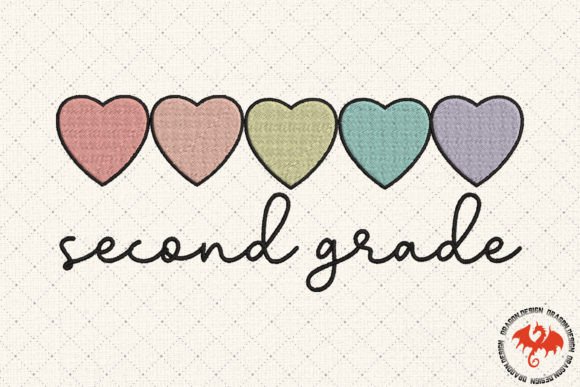
The first thing that strikes you about Heart Second Grade is its charming simplicity. In a market saturated with overly complex digital embroidery files, there is a refreshing appeal to designs that rely on clean lines and clear messaging. The visual mood here leans heavily into the playful and cute aesthetic, which is perfectly aligned with the Back To School season. However, its versatility allows it to transcend seasonal boundaries if styled correctly.
The stitching mood appears balanced, suggesting a decorative strength that is noticeable without being overwhelming. For boutique brands, this is crucial. You want a design that acts as a focal point but does not dominate the entire garment. The design feels classic yet trendy, offering a feminine touch that works well for youth apparel as well as nostalgic adult sizes. When reviewing the preview images, the detail level suggests a smooth finish, which is essential for maintaining a premium look on finished products.
Apparel Applications and Placement Strategy
When planning a small sweatshirt or hoodie collection, placement is everything. I envision Heart Second Grade performing exceptionally well in several key areas:
- Hoodie Chest Placement: Centered on the left chest, this design adds a subtle pop of personality to neutral sweatshirts. It works beautifully on pastel hoodies where the thread colors can contrast softly against the fabric.
- Sleeve Accents: For a more modern, streetwear-inspired look, placing the design on the upper sleeve of an oversized garment creates a unique silhouette. This is particularly effective on dark apparel, where bright thread colors can stand out dramatically.
- Back Designs: While the design may be smaller, scaling it up for a back print on a t-shirt or lightweight jacket could create a bold statement piece, provided the stitch density remains manageable.
- Tote Bag Design: Beyond clothing, this embroidery file is ideal for canvas tote bags. The sturdy fabric supports the stitching well, making it a perfect handmade product for Etsy sellers looking to expand their inventory.
For denim jackets, the texture of the denim provides a rustic backdrop that contrasts nicely with the smooth, playful nature of the embroidery. On cozy seasonal outfits, such as fleece-lined zip-ups, the design adds a layer of warmth and nostalgia that resonates with buyers looking for comfort and style.
Fabric Considerations and Technical Challenges
While Heart Second Grade looks promising, successful execution depends on understanding your materials. Sweatshirt embroidery requires careful attention to stabilizer choice. Fleece and heavy cotton blends can shift during hooping, so using a cut-away stabilizer is often recommended to prevent puckering.
You must also consider the fabric texture. On ribbed fabric, such as the cuffs or collars of hoodies, the design may distort if not stabilized properly. I advise against placing intricate details on highly stretchy areas unless you have extensive experience with stretch fabrics. For dark garments, ensure your thread color contrast is high enough to make the design legible. If the design includes tiny lettering, test it on scrap fabric first to ensure the stitches do not merge, which can happen if the stitch density is too high for the thread weight you are using.
Curved surfaces, like the shoulder area of a t-shirt, present another challenge. Always hoop the garment securely and consider using a floating method if the item is too bulky to fit traditionally. Before committing to a full production run, inspect the stitch density in your embroidery software. If the design is too dense for lightweight t-shirts, it may cause the fabric to pucker or tear over time.
Enhancing Brand Identity and Commercial Value
Incorporating Heart Second Grade into your line can significantly affect your brand identity. For small clothing brands, consistency is key. Using a cohesive set of designs across different products helps build customer engagement and trust. This design, with its clear thematic link to education and nostalgia, can help position your boutique as a go-to source for thoughtful, high-quality gifts.
From a marketing perspective, this design lends itself well to lifestyle product photos. Imagine a flat lay featuring the embroidered hoodie alongside school supplies, apples, or books. These printable mockup styles perform well on social media graphics, driving traffic to your Etsy listings or online shop. The emotional connection buyers feel with Back-to-school themes can increase the perceived value of the finished product, allowing for healthier profit margins.
For commercial embroidery, ensuring you have the correct license is vital. Always check Creative Fabrica product details and licensing terms before selling finished apparel. Most designs on the platform allow for commercial use of physical items, but verifying this protects your small shop product from legal issues.
Practical Designer Notes for Production
Before launching your collection, follow these practical steps to ensure quality:
- Test on Scrap Fabric: Never skip this step. Use the same fabric type and weight as your final garment to check for registration issues.
- Review Thread Color Contrast: Choose threads that complement the garment color. For a vintage look, try muted tones; for a modern pop, use vibrant hues.
- Confirm Hoop Size: Ensure the design fits within your machine’s hoop capabilities. If resizing, maintain the aspect ratio to avoid distorting the heart shape.
- Check Stabilizer Choice: Match the stabilizer to the fabric. Heavy fleece needs strong support, while lightweight tees need something less rigid to avoid stiffness.
- Compare Placement Options: Stitch out the design in multiple locations on a sample garment to see what looks most balanced.
Since specific technical data like exact stitch count or file formats are not detailed in the brief description, I strongly advise readers to confirm those details on the product page before production. Knowing whether the file is optimized for specific machines can save time and reduce waste.
Final Verdict for Creative Entrepreneurs
Heart Second Grade is a versatile addition to any embroidery designer’s library. It offers a blend of playful charm and classic appeal that works across various apparel types, from cozy hoodies to structured denim jackets. For Etsy sellers and creative entrepreneurs, it provides a reliable way to create high-demand seasonal items while maintaining a professional presentation. By paying attention to fabric texture, stabilizer choice, and placement, you can transform this digital embroidery file into a standout finished product that resonates with customers. Whether you are building a boutique brand or simply adding unique touches to handmade products, this design holds significant potential for both aesthetic impact and commercial success.