Garamond Font JKL: A Designer’s Review for Boutique Apparel
As an embroidery designer who has spent years curating collections for boutique apparel, I am always on the lookout for machine embroidery designs that bridge the gap between classic elegance and modern wearability. When I recently explored the Creative Fabrica embroidery marketplace, I stopped to examine Garamond Font JKL. This product caught my eye not just for its name, but for the promise of high-quality personalization that can elevate a simple garment into a statement piece. For those of us running small clothing brands or Etsy shops, finding the right typography is half the battle. Here is my professional assessment of how this font performs in real-world applications.
Visual Personality and Stitching Mood
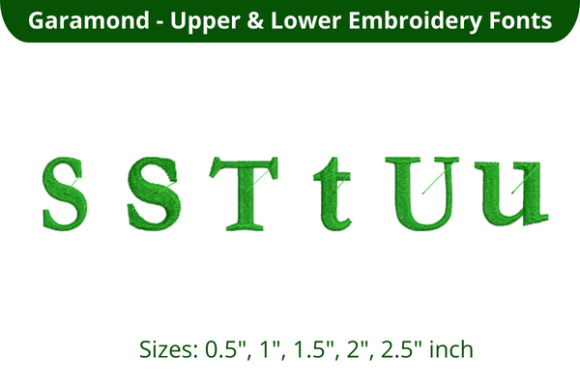
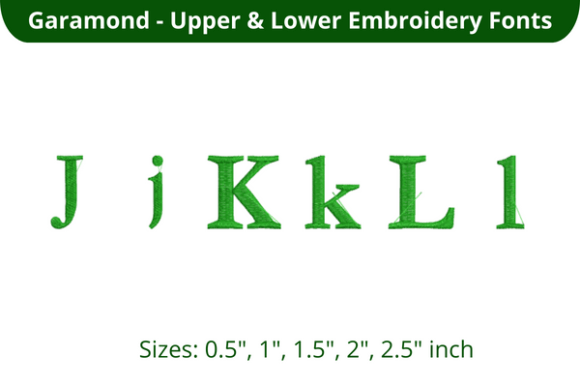
The first impression of Garamond Font JKL is one of refined sophistication. Unlike the playful or rustic fonts that dominate the casual market, this design carries a premium, classic weight. It feels authoritative yet approachable, making it an excellent choice for customers who want their custom apparel to look expensive rather than homemade. The visual personality leans towards minimal and trendy, avoiding unnecessary flourishes that can complicate stitching on textured fabrics.
When I visualize this machine embroidery design on fabric, I see clean lines and balanced spacing. The decorative strength here lies in its simplicity. It does not shout; it whispers quality. This makes it incredibly versatile for a boutique brand aiming for visual consistency across different product lines. Whether you are targeting the Back To School rush with personalized names or creating timeless quote pieces for holiday gifts, the mood remains cohesive and professional.
Performance on Sweatshirts and Hoodies
The true test of any embroidery file is how it behaves on heavier garments. I imagine preparing a small collection of neutral sweatshirts and pastel hoodies for an online shop. Garamond Font JKL shines in these scenarios. On a heavy fleece hoodie, the crispness of the letters provides a beautiful contrast to the soft, plush texture of the fabric. For sweatshirt embroidery, I recommend placing this font on the left chest for a subtle, high-end look, or centered on the back for a bold, collegiate vibe that appeals to students and alumni alike.
However, placement matters. On oversized garments, ensure the scale of the text is large enough to be legible without losing detail. For sleeve accents, this font works well if the lettering is kept short, such as initials or a single word. The key is to maintain the integrity of the letterforms. If the design is too small on a thick fleece, the details may get lost in the pile. Always check the recommended hoop size and stitch density provided in the product details to ensure clarity.
Versatility Across Apparel and Accessories
Beyond hoodies, this design is a strong contender for various custom apparel projects. On t-shirts, particularly those made of higher GSM cotton, the font adds a touch of luxury to basic tees. It pairs beautifully with denim jackets, where the structured nature of the denim supports the clean lines of the embroidery. For tote bags, which are popular handmade products for teachers and students during the Back To School season, Garamond Font JKL offers a durable and stylish way to personalize items.
For lifestyle product photos and social media graphics, this font photographs exceptionally well. The clean edges create sharp contrasts in printable mockups, helping your Etsy listings stand out. When you are selling finished products, the perceived value of the item increases significantly when the typography looks intentional and polished. This contributes to buyer trust and product recognition, essential elements for growing a small shop product line.
Technical Considerations for Embroiderers
While Garamond Font JKL is described as a high-quality embroidery font suitable for any fabric, experienced embroiderers know that technique is crucial. Before launching a commercial embroidery run, you must test on scrap fabric. Pay close attention to the stabilizer choice. For stretchy fabrics like ribbed cuffs or lightweight jersey, a cut-away stabilizer is often necessary to prevent puckering. On dark garments, ensure you have sufficient thread color contrast; white or metallic threads often pop best against navy or black fleece.
Inspect the stitch density carefully. If the design is too dense for a lightweight t-shirt, it may cause the fabric to pucker or tear. Conversely, if it is too light for a heavy coat, it may not cover the fabric adequately. Since the product description notes that this design allows you to write names, dates, or quotes, be mindful of tiny lettering. Intricate details in small text can sometimes merge during stitching if the needle or thread thickness is not appropriate. Always confirm hoop size compatibility with your specific machine before purchasing.
Enhancing Brand Identity and Value
Using a consistent, high-quality font like Garamond Font JKL can significantly affect your brand identity. It signals to your customers that you care about the details. In the competitive world of digital embroidery files and handmade goods, professional presentation is key. This font helps create a cohesive look across your catalog, whether you are selling cozy seasonal outfits or everyday basics. It enhances customer engagement because buyers are more likely to share photos of products that look premium and well-crafted.
For creative entrepreneurs, this means less time explaining quality issues and more time focusing on marketing and design expansion. The font’s versatility allows it to fit into various niches, from academic apparel to minimalist fashion, giving your small clothing brand the flexibility to pivot with trends without changing your core aesthetic.
Final Designer Notes
Before you integrate Garamond Font JKL into your production workflow, remember to review the specific technical details on Creative Fabrica. The product description states it is a machine embroidery design for personalizing fabrics, but it does not specify exact stitch counts, file formats, or license terms for commercial use. As a responsible seller, you must confirm these details before selling finished apparel. Ensure the license covers commercial embroidery products if you plan to sell the physical items.
Test the design on similar garment fabric to your final product. Compare placement options on curved surfaces like sleeves versus flat areas like the back panel. Check how the thread colors interact with the fabric texture. By taking these precautions, you ensure that every piece of hoodie design or tote bag you produce meets the high standards your customers expect. This thoughtful approach transforms a simple digital embroidery file into a cornerstone of your boutique’s success.