Georgia Font GHI: A Designer's Real-World Review
As a designer who has spent years navigating the delicate balance between digital aesthetics and physical stitching, I approach every new machine embroidery design with a critical eye. When I first encountered Georgia Font GHI, my initial thought was about its potential in the Back To School season. There is something inherently nostalgic and trustworthy about serif fonts, and this particular typeface carries that weight well. However, seeing a font on a screen is one thing; trusting it to hold up under the tension of an embroidery machine is another. This review breaks down how Georgia Font GHI performs when moved from a digital preview to a real-world project.
First Impressions: The Mood and Visual Personality
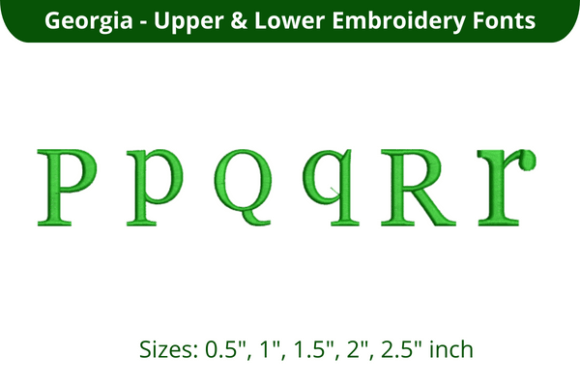
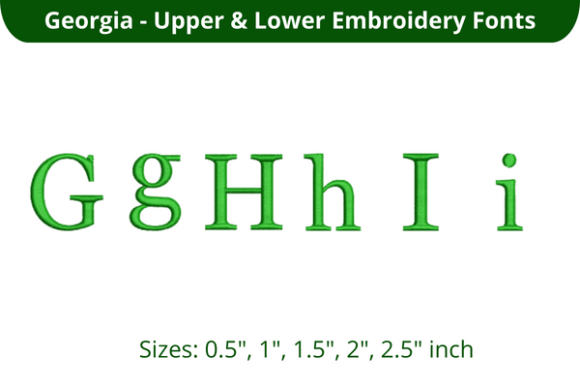
The moment you load the embroidery file for Georgia Font GHI into your digitizing software or hoop simulator, the classic structure becomes apparent. It does not scream for attention like a bold script might; instead, it offers a quiet confidence. The serifs are distinct but not overly ornate, making it an excellent choice for names, dates, or short quotes where legibility is paramount. For a craft business owner looking to elevate their brand, this font suggests professionalism and timelessness. It feels like the kind of typography you would find on a high-end boutique label or a personalized nursery item.
In terms of visual personality, Georgia Font GHI strikes a balance between formal and friendly. It avoids the stiffness of traditional block letters while maintaining enough structure to remain readable even at smaller scales. This makes it a versatile asset for anyone creating personalized gifts. Whether you are an Etsy seller preparing a batch of custom items or a hobbyist working on a family heirloom, the font’s clean lines suggest a finished product that looks intentional rather than rushed.
A Real-Life Scenario: The Custom Tote Bag Project
To truly understand the capabilities of this design, let’s walk through a practical application. Imagine you are preparing a line of canvas tote bags for the upcoming school year. You want to offer a service where parents can add their child’s name and grade level. You decide to use Georgia Font GHI for the lettering. After hooping the canvas and running a test stitch, the results are promising. The fill stitch in the body of the letters is dense enough to cover the natural texture of the canvas without puckering, provided you have used the correct stabilizer.
The satin stitch outlining the serifs adds a touch of elegance that separates this project from standard t-shirt transfers. Customers often react positively to this level of detail because it signals quality. In a competitive market like custom apparel, the difference between a generic look and a polished finish can determine whether a buyer clicks "add to cart." With Georgia Font GHI, the text stands out clearly against the fabric, ensuring that the name is easily readable from a distance—a crucial factor for school supplies.
Performance Across Different Fabrics and Products
While the tote bag scenario works beautifully, the versatility of Georgia Font GHI extends to various other materials. For sweatshirt embroidery, the font holds its shape well on fleece, though you must be mindful of the fabric’s nap. On smoother surfaces like quilting cotton or linen, the stitch density allows the design to sit flat, which is essential for items like pillow covers or kitchen towels. I have also considered using it for baby embroidery projects, such as onesies or receiving blankets. The soft curves of the serifs feel gentle and appropriate for nursery decor, avoiding any sharp edges that might irritate sensitive skin.
For those interested in creating embroidered patches, this font is a strong contender. The clear definition of each character ensures that the patch remains legible even after being cut out and ironed onto a jacket or backpack. If you are planning holiday embroidery projects, such as monogrammed stockings or gift tags, Georgia Font GHI provides a classic aesthetic that fits both modern and traditional themes. Its adaptability makes it a reliable choice for commercial embroidery where consistency across different products is key.
Where Caution Is Required
Despite its strengths, there are scenarios where Georgia Font GHI requires extra attention. Small hoop sizes can be a challenge if you attempt to fit long words. The serifs, while beautiful, take up space, and shrinking the design too much can cause the details to merge or become indistinct. Always check the minimum recommended size before committing to a tiny embroidery project.
Textured fabrics like heavy denim or thick wool can sometimes obscure the finer details of the font. In these cases, increasing the thread thickness or adjusting the stitch density might be necessary. Similarly, stretchy fabrics require careful hooping and stabilizer selection to prevent the letters from distorting once the garment is worn. Dark fabrics present another consideration; ensure you have sufficient contrast with your thread colors so the text pops rather than blending into the background.
Curved surfaces, such as caps, demand precision. While Georgia Font GHI can work on hats, the curvature may slightly alter the perception of the serifs. Testing the design on a similar surface before production is always wise. Additionally, products that undergo frequent washing, like aprons or tea towels, need a robust stitch construction to prevent fraying over time.
Impact on Brand Value and Customer Trust
Using a high-quality font like Georgia Font GHI directly influences the perceived value of your handmade products. When a customer sees crisp, well-executed lettering, they associate that quality with your entire brand. This builds trust and encourages repeat business. For small shop owners, offering a font that looks professional can differentiate your listings from competitors using default or poorly digitized scripts.
From a marketing perspective, this font enhances your printable mockup and digital previews. Potential buyers are more likely to engage with a listing that showcases a clear, attractive design. The font’s readability ensures that the message—whether it’s a name, a date, or a quote—is communicated effectively, increasing the likelihood of a sale. Furthermore, the timeless nature of the design means your products will not look dated quickly, extending the lifespan of your inventory.
Practical Notes for Designers and Makers
If you decide to incorporate Georgia Font GHI into your workflow, here are some essential steps to ensure success:
- Test on Scrap Fabric: Never skip the test run. Stitch the design on a piece of scrap fabric similar to your final material to check for alignment, density, and tension issues.
- Check Thread Contrast: Verify that your chosen thread colors provide enough contrast against the fabric background. Low contrast can make the text hard to read.
- Review Hoop Size: Confirm that your hoop can accommodate the design without cropping any letters. Adjust the scale if necessary, but avoid going below the minimum recommended size.
- Inspect Small Details: Zoom in on the serifs and corners to ensure they stitch cleanly without gaps or overlapping threads.
- Use Proper Stabilizer: Select a stabilizer that matches your fabric type. Heavyweight fabrics may need a tear-away, while knits might require a cut-away for stability.
- Verify Licensing: Before selling finished items or digital embroidery files, confirm the licensing terms. Ensure you have the right to use the design for commercial purposes.
- Compare Backgrounds: Test the design on both light and dark fabric backgrounds to see how it performs in different contexts.
Georgia Font GHI is more than just a set of letters; it is a tool for storytelling and branding. By understanding its strengths and limitations, you can create finished products that resonate with customers and stand the test of time. Whether you are decorating a single personalized gift or launching a full collection of school merchandise, this font offers the reliability and style needed to succeed in the world of Embroidery.