WTF Embroidery Design: A Professional Review for Small Business Merch
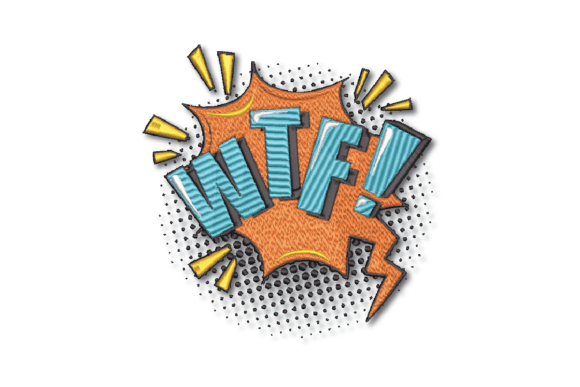
As an embroidery designer who has spent years digitizing files and consulting with small business owners, I approach every new machine embroidery design with a critical eye. It is not just about whether a design looks cute on a screen; it is about how it performs under the needle, how it elevates a brand, and whether it holds up in the real world. Today, I am reviewing WTF, a design categorized under Awareness and Embroidery, to determine its viability for branded merchandise, patches, and custom apparel.
First Impressions and Visual Personality
The title WTF immediately grabs attention. In the context of modern branding, this acronym often serves as a bold, playful, or edgy statement piece. For handmade brands and creative studios, using such a provocative phrase requires confidence. The description states it is "The perfect way to decorate your beautiful embroidery projects," which suggests versatility. However, from a professional standpoint, the visual impact depends entirely on execution. Does it feel premium and modern, or does it risk looking amateurish if not stitched correctly? My initial assessment is that this design leans toward a bold, contemporary aesthetic that works best for businesses with a distinct, perhaps slightly rebellious or humorous voice.
For boutique owners and Etsy sellers, the key is ensuring the typography and spacing reflect quality. A poorly spaced acronym can look messy, while a well-digitized version adds character. This design must balance readability with style to serve as an effective asset for brand identity.
Real-World Applications for Small Business Merch
When considering where to apply WTF, we must look beyond simple decoration. This design has potential across various small business merch categories. Here is how it performs in specific scenarios:
- Embroidered Patches: This is arguably the strongest use case. A patch allows for high-density stitching and clean edges. It can be ironed or sewn onto denim jackets, canvas bags, or hats, offering customers a customizable element.
- Staff Uniforms and Aprons: For a trendy café or a creative studio, embroidering this on the chest of an apron embroidery project or a work shirt can create a fun, approachable vibe. It breaks the ice with customers and showcases personality.
- Cap Embroidery: Placing the design on the front panel of a dad hat or trucker cap is popular. However, curved surfaces require careful digitizing to prevent distortion. The design must be compact enough to fit standard cap hoops without crowding.
- Tote Bag Design: Canvas totes are staples for handmade shops. A bold acronym like this acts as a walking advertisement. Ensure the thread colors contrast sharply against the fabric for maximum visibility.
- Event Merch and Gifts: Use it for limited-edition drops or customer appreciation gifts. It adds value to a simple item, turning a basic tote or shirt into a collectible handmade product.
Critical Considerations for Production Quality
While the concept is strong, the technical execution determines success. The product description warns that "Any alteration on the file s may affect the output." This is a crucial reminder for decorators. Do not resize the digital embroidery file arbitrarily without checking stitch density. Here are specific areas where caution is needed:
- Small Patch Sizes: If scaling down for a small label or tag, fine details may merge. Test the minimum viable size to ensure legibility.
- Textured Fabric: On towels or heavy knits, small text can get lost. Use a cut-away stabilizer to provide a firm foundation and prevent sinking.
- Dark Uniforms: If stitching on black or navy, ensure you use high-contrast thread colors. Light pastels or metallics can pop, but poor color choice will render the design invisible.
- Frequent Washing: Items like aprons and work shirts undergo rigorous cleaning. Verify that the stitch structure is secure to prevent unraveling or puckering over time.
Remember to always run a sample of the file s on the test fabric before stitching on your final product. This step is non-negotiable for maintaining professionalism and avoiding costly waste.
Impact on Brand Identity and Customer Trust
Using a design like WTF influences how customers perceive your brand. It signals authenticity and relatability. In a market saturated with generic logos, a bold statement piece can enhance customer trust by showing human personality. However, consistency is key. If your brand is typically elegant and rustic, this design might clash. But for modern, urban, or youth-oriented brands, it reinforces visual consistency and boosts buyer engagement.
A well-executed embroidered item elevates the perceived value of your custom apparel. Customers are willing to pay more for items that feel durable and thoughtfully designed. By integrating this design into your design assets, you create a cohesive look across your product line, from packaging accents to wearable merch.
Practical Designer Notes for Implementation
Before launching this design in your shop, follow these professional steps to ensure quality control:
- Test in Black and White: Remove color variables first. If the design lacks clarity in monochrome, it needs adjustment before adding vibrant threads.
- Check Hoop Size Compatibility: Confirm the design fits your available hoops. While specific dimensions are not provided in the description, always measure your machine’s capacity.
- Create a Printable Mockup: Use a printable mockup to visualize the design on different garments. Show this to clients for approval before stitching.
- Verify Commercial Licensing: Ensure your purchase includes rights for commercial embroidery. Never assume a file is free for resale use without explicit confirmation.
- Inspect Spacing and Density: Look for jump stitches or overly dense areas that could cause fabric puckering. Adjust tension settings accordingly.
In conclusion, WTF is a versatile tool for the right brand. It offers a unique opportunity to inject personality into small business merch. By respecting the technical limitations and focusing on high-quality production, you can turn this simple acronym into a powerful branding element. Always prioritize testing and proper stabilization to deliver a finished product that meets professional standards. Whether used for a quirky café apron or a bold streetwear patch, this design proves that awareness-driven embroidery can be both stylish and commercially viable.