Spiral Stems: A Designer's Review for Business Merch
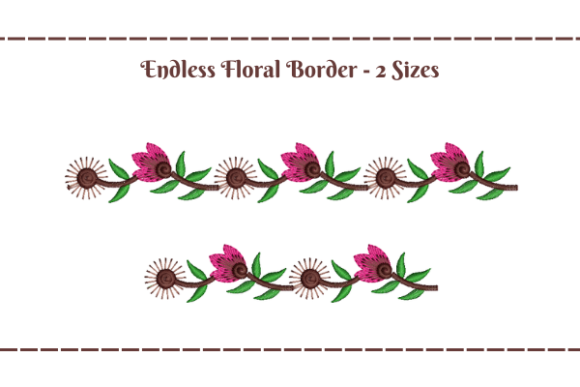
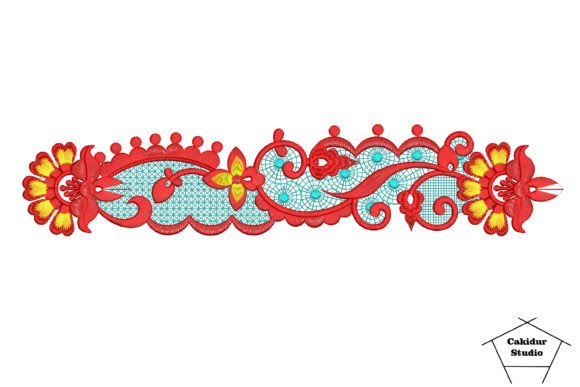
As an experienced embroidery designer who has spent years refining brand identity through thread and stitch, I approach every new machine embroidery design with a critical eye. My goal is never just to see if it looks pretty; I need to know if it works in the real world of commerce. Today, I am reviewing Spiral Stems, a borders category design described as a pattern consisting of flowers in abstract shapes. The promise is a fresh and classical accent for fabrics. But does this translate into high-quality small business merch? Let's dive into how this embroidery file performs when applied to branded patches, uniforms, and custom apparel.
First Impressions: Balancing Freshness and Classical Elegance
When I first opened the digital preview of Spiral Stems, the visual impact was immediate. The description mentions "flowers in abstract shapes," and that abstraction is key. It avoids the trap of looking too generic or overly floral, which can sometimes feel dated on professional gear. Instead, the spiral motif gives it a sense of movement and modernity while retaining a classical structure. For a boutique florist, a creative studio, or a local café, this design strikes a delicate balance between playful and premium.
In the world of custom apparel, the border acts as a frame. Unlike a central logo that demands all attention, a border like Spiral Stems enhances the item without overpowering it. It feels handmade yet precise, which is exactly what many Etsy sellers and crafters are looking for to elevate their product value. The abstract nature of the flowers allows for versatility; it can look rustic on a canvas tote bag or sophisticated on a cotton blend apron.
Real-World Application: From Patches to Uniforms
The true test of any digital embroidery file is its performance across different substrates. Here is how I envision Spiral Stems functioning in a commercial setting:
- Embroidered Patches: This design is a natural fit for creating high-end embroidered patches. Because it is a border, it can be scaled to fit various patch sizes. Imagine a circular patch for a pet brand where the spiral stems encircle a central icon, or a rectangular patch for a bakery's staff uniform sleeve. The continuous flow of the design ensures there are no awkward gaps at the edges.
- Apron Embroidery: For restaurants and bakeries, Spiral Stems could serve as a stunning hem detail on aprons. Placing the border along the bottom edge of a heavy-duty cotton apron adds a touch of class that separates a home cook from a professional establishment. It frames the workspace beautifully.
- Cap Embroidery: While borders are tricky on caps due to curvature, the abstract shapes here offer flexibility. Used on the side panels or as a band around the brim (if the cap style allows), it adds a unique flair to cap embroidery projects that standard logos cannot achieve.
- Tote Bag Design: A tote bag design often needs something that covers more surface area than a small logo. Running Spiral Stems along the top rim of a tote creates an instant "boutique" feel. It turns a simple carry-all into a piece of branded merchandise that customers will actually want to use daily.
- Product Packaging Accents: Beyond fabric, this design works well on felt tags or fabric labels attached to handmade products. It serves as a signature mark of quality, reinforcing the brand identity every time a customer handles the finished product.
Critical Considerations for Commercial Production
While Spiral Stems offers great potential, a professional designer knows that not every design fits every situation. There are specific scenarios where this embroidery pattern requires careful handling to avoid production headaches.
Size and Detail Constraints
Abstract floral shapes rely on negative space and line definition. If you attempt to shrink this design for a tiny chest logo or a small snapback cap front, the details may become muddy. The stitch density might become too high for the available area, leading to puckering. Always verify the minimum recommended size before committing to a small-scale application. For very small items, consider simplifying the design or using it only as a subtle outline.
Fabric Texture and Color Contrast
The success of Spiral Stems depends heavily on the fabric texture and thread colors chosen. On highly textured fabrics like thick denim or terry cloth towels, the fine lines of the abstract flowers might get lost. Conversely, on smooth poplin or silk blends, the design will shine. Regarding color, ensure high contrast. Using a light pastel thread on a white shirt might make the border invisible. Test your color palette to ensure the "fresh and classical accent" is actually visible to the customer.
Curved Surfaces and Hooping
Borders on curved surfaces, such as the sides of hats or sleeves, require precise hooping. The spiral motion of the design means that if the fabric shifts even slightly during stitching, the symmetry will break. Use a proper stabilizer—likely a tear-away or cut-away depending on the fabric weight—to prevent distortion. Never skip the stabilizer step, especially for commercial runs where consistency is non-negotiable.
Impact on Brand Identity and Customer Trust
Why should a small business owner invest in a design like Spiral Stems? The answer lies in perception. In a crowded market, the quality of your branding signals the quality of your service. A well-executed border design elevates the perceived value of your goods. It suggests attention to detail and a commitment to aesthetics.
When a customer receives a tote bag or sees a staff member wearing an apron with a refined, custom embroidered patch, it builds trust. It moves the brand from "generic" to "curated." For handmade brands, this visual consistency is vital. It creates a cohesive look across design assets, whether they are physical products or printable mockups used in marketing. This level of polish encourages buyer engagement and makes your merchandise shareable on social media platforms.
Practical Designer Notes for Implementation
If you decide to integrate Spiral Stems into your workflow, follow these professional steps to ensure a flawless result:
- Test in Black and White: Before purchasing thread or cutting fabric, run a test stitch in black and white. This helps you identify any issues with spacing or jump stitches without wasting colored thread.
- Verify Hoop Size: Check the dimensions of the machine embroidery design against your hoop. Ensure the entire border fits comfortably without needing to re-hoop, which can cause misalignment.
- Inspect Spacing: Look closely at the gaps between the abstract flower shapes. If the design is too dense, reduce the pull compensation or adjust the stitch length to prevent fabric puckering.
- Create a Mockup: Generate a printable mockup showing the design on your actual product. This is essential for client approval if you are running a decorating shop. It manages expectations before the needle hits the fabric.
- Check Licensing: The product description notes the design comes with "mu..." (likely implying multiple formats or usage rights). However, always confirm the commercial licensing terms before using it for commercial embroidery or selling finished goods. Ensure you have the right to reproduce the design on merchandise for profit.
- Compare with Other Assets: Place Spiral Stems next to your existing logo and other design assets. Does the style match? Is it too busy compared to your main brand mark? Visual harmony is crucial for a professional look.
In conclusion, Spiral Stems is a versatile and stylish addition to any decorator's library. Its ability to bridge the gap between modern abstraction and classical elegance makes it a strong candidate for small business merch. By respecting the technical requirements of stitch density, hoop size, and fabric choice, you can transform this embroidery file into a powerful tool for building a recognizable and trusted brand.