Reviewing Deer in Circle for Craft Fair Success
As an embroidery designer who has spent countless weekends behind a booth table, I know that not every machine embroidery design translates into a bestseller. Some designs look stunning on a screen but fail to catch the eye of a passerby. Today, I am reviewing Deer in Circle, a piece from the Woodland Animals category, specifically evaluating its potential as a high-performing craft fair product. My goal is to determine if this design can carry a small shop’s inventory and drive sales for handmade market products.
First Impressions and Visual Appeal
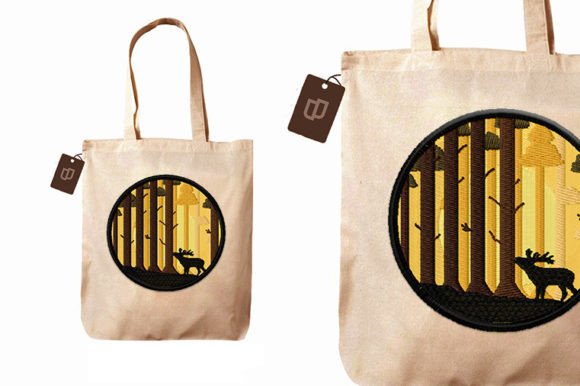
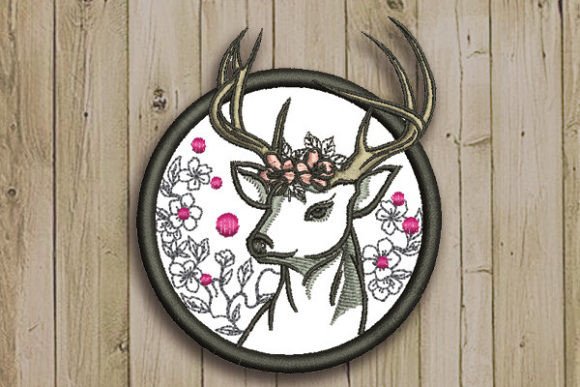
The first thing I look for in a new embroidery file is immediate readability. Deer in Circle offers a clean, contained composition. The circular frame creates a natural focal point, which is crucial for quick decision-making in a busy retail environment. Based on the description stating it is "fun and easy to stitch" yet "elegant and gorgeous," this design bridges the gap between rustic charm and modern minimalism. It does not feel overly busy or cluttered, which suggests it will appeal to buyers looking for sophisticated handmade product options rather than kitschy souvenirs.
The elegance mentioned in the product description implies balanced stitch density and thoughtful use of negative space. For a woodland-themed item, avoiding excessive detail is often a smart move. It allows the texture of the fabric to shine through, giving the finished item a premium feel. This visual simplicity makes it versatile, fitting seamlessly into farmhouse, cottagecore, or contemporary aesthetic booths.
Versatility Across Product Lines
To maximize return on investment, a single design must work across multiple items. Here is how Deer in Circle performs on common craft fair staples:
- Tote Bags: As a tote bag design, the circular motif centers beautifully on canvas. It acts as a bold statement without overwhelming the bag’s utility. Customers love seeing their names or simple icons on totes, and this deer silhouette provides a strong graphic element.
- Aprons and Tea Towels: For apron embroidery and tea towel embroidery, the design’s "easy to stitch" nature is a major advantage. These items often require faster production times. The design likely sits well on the bib of an apron or the corner of a linen towel, adding value without requiring hours of machine time.
- Embroidered Patches: If the hoop size permits a smaller version, this could make an excellent embroidered patch. Patches are low-cost, high-margin items that attract impulse buyers. The circular shape naturally lends itself to patch borders.
- Caps and Pouches: Stitching on curved surfaces like caps requires careful attention to distortion. A contained circle design is generally safer than wide, sprawling motifs. Similarly, on small fabric pouches, the design remains recognizable even at reduced sizes.
Production Practicality for Small Shops
For any Etsy seller or boutique maker, batch production is key to profitability. The description notes that Deer in Circle comes with multiple formats, which is essential for compatibility with various machines. However, before committing to a large run, you must verify the specific hoop size requirements. A design that fits a 4x4 hoop is far more versatile for small goods than one requiring a 5x7 or larger frame.
The claim that it is "fun and easy to stitch" suggests optimized pathing and reasonable thread counts. This reduces the risk of thread breaks and minimizes trim time, allowing you to produce more finished product units per day. When preparing for a weekend market, efficiency is just as important as aesthetics. A design that stitches out cleanly on the first try saves both material costs and mental energy.
Navigating Fabric and Technical Challenges
While the design is described as high-quality, practical application requires vigilance. Here are critical considerations for maintaining quality:
- Fabric Texture: On textured towels or thick canvas, ensure the stabilizer is robust enough to prevent puckering. The "elegant" look can be ruined by uneven stitching on rough surfaces.
- Thread Colors: Woodland themes often rely on earth tones. Test your thread colors against your fabric choices. A dark deer on a dark navy tote may lose definition. High contrast is vital for visibility at a distance.
- Dense Stitch Areas: Check if the circle border or the deer’s body has dense saturation. On stretchy fabrics like jersey for t-shirts, heavy density can cause stiffness. Always test on scrap fabric first.
- Small Details: If scaling down for patches or pocket accents, ensure tiny details do not merge. Clarity at smaller sizes is non-negotiable for professional-looking goods.
Marketing and Brand Consistency
Beyond the stitching, how does Deer in Circle support your brand? For creative entrepreneurs, consistency builds trust. This design’s clean lines allow for cohesive branding across your booth. You can use it on signage, packaging tags, or even as a watermark on your printable mockup images for online listings.
When creating design assets for your Etsy shop or website, this design photographs well. The symmetry of the circle frames the subject nicely, making it easy to create appealing flat-lay photos. Strong visuals lead to higher click-through rates. Furthermore, because it falls under the popular Woodland Animals niche, it taps into an existing customer base searching for nature-inspired decor and accessories.
Final Designer Notes
Before launching Deer in Circle as a core part of your commercial embroidery lineup, take these final steps:
- Check Licensing: Confirm the license terms included with the digital embroidery file. Ensure you have rights to sell physical items made with the design.
- Create Real Mockups: Do not rely solely on digital previews. Stitch the design on your actual inventory fabrics to see how the threads interact with the weave.
- Evaluate Customer Attention: Place a sample item at eye level in your booth setup. Watch if customers pause to look at it. If it draws them in, it is a winner.
In conclusion, Deer in Circle appears to be a strong contender for craft fair success. Its blend of elegance and simplicity, combined with practical stitchability, makes it a reliable choice for small shop product lines. By paying attention to fabric contrast and production efficiency, you can turn this single embroidery file into a profitable segment of your handmade business. Whether used on a sturdy tote or a delicate pillow cover, it offers the visual appeal necessary to stand out in a crowded marketplace.