Review: Mylar Baking Gingerbread for Holiday Projects
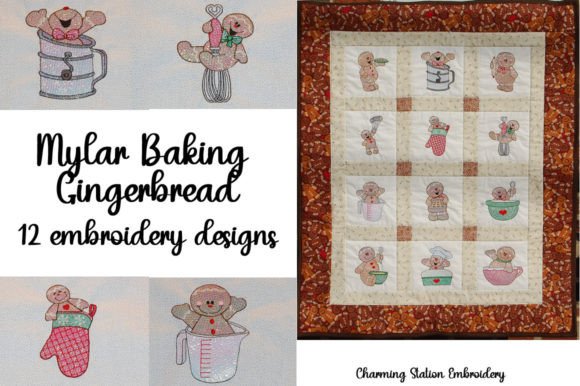
As a designer who has spent countless hours digitizing and testing machine embroidery designs, I have learned that not all festive motifs are created equal. Some look charming on screen but turn into thread nests on fabric. Others are so dense they puckers the material beyond repair. When I first loaded the Mylar Baking Gingerbread set into my software, I was looking for more than just cute shapes. I wanted to see if these files could hold up in a real-world commercial environment. This set includes 12 hilarious little baking gingerbread designs optimized for use with Mylar, and after putting them through their paces, I have some practical insights for fellow crafters and business owners.
First Impressions and Visual Personality
The immediate appeal of this collection is its whimsical narrative. These are not static gingerbread men standing at attention; they are active, engaged in the chaotic joy of holiday baking. The mood is lighthearted and humorous, which is a refreshing change from the overly sentimental or rigid traditional Christmas embroidery we often see. For an Etsy seller or small shop owner, this personality is a selling point. It creates an emotional connection with the buyer, suggesting warmth, fun, and family tradition.
From a technical standpoint, the layout of each design is compact yet detailed. The optimization for Mylar is evident in how the shapes are constructed. Mylar, or reflective foil, requires specific handling because it does not behave like standard thread or fabric. It adds a metallic shine that catches the light, giving the finished product a premium, boutique feel. However, it also means the underlying stitch structure must be precise to prevent the foil from tearing or shifting during the stitching process.
Real-World Application: The Custom Tote Bag Test
To evaluate the practicality of Mylar Baking Gingerbread, I decided to use one of the designs on a heavy canvas tote bag. This is a popular item for holiday gift markets and boutique merchandise. I chose a design featuring a gingerbread character rolling out dough, as the horizontal orientation suited the bag’s shape well.
I paired the Mylar with a rich chocolate brown thread for the outline and cream for the details. The contrast was striking. The reflective quality of the Mylar made the gingerbread pop against the matte canvas, creating a visual depth that standard satin stitch alone could not achieve. Customers often judge the value of a handmade product by its finish, and the metallic accent here elevated the perceived quality of the tote bag significantly. It looked less like a hobbyist experiment and more like a curated retail item.
This approach works equally well for sweatshirt embroidery. On a fleece or cotton-blend hoodie, the design sits nicely on the chest or sleeve. The humor in the characters makes it a great conversation starter, which is essential for apparel that people want to wear repeatedly during the holiday season.
Navigating Fabric and Hoop Constraints
While the designs are versatile, they are not without their challenges. Because these are optimized for Mylar, you must be mindful of your stabilizer choice. I recommend using a cut-away stabilizer for stretchy fabrics like t-shirts or baby clothes to ensure the design remains stable over time. For woven fabrics like aprons or tea towels, a tear-away may suffice, but always test on scrap fabric first.
Hoop size is another critical factor. Since there are 12 designs in the set, they vary slightly in dimension, but most are compact enough for a 4x4 or 5x7 hoop. This makes them ideal for smaller items like embroidered patches, caps, or baby onesies. However, if you are working with a curved surface like a cap, you need to be careful with the density of the fill stitch areas. Too much bulk can cause the cap to warp. I found that reducing the stitch density slightly in the software before stitching helped maintain the shape of the hat while keeping the design crisp.
Textured fabrics present another hurdle. If you are stitching on a fluffy towel or a thick wool blanket, the small details of the gingerbread’s facial expressions might get lost. In such cases, consider using a contrasting underlay or choosing a simpler design from the set that relies more on bold outlines than intricate internal details.
Commercial Viability and Brand Consistency
For digital product sellers and commercial embroidery professionals, the value of this set lies in its versatility. Since there are 12 designs, they would make a fun holiday quilt or wall hanging. Imagine stitching each character onto individual squares and assembling them into a quilt that tells a story. This is a high-ticket item that can command a higher price point due to the labor and creativity involved.
Moreover, these designs are perfect for creating cohesive product lines. You can use the same character on a kitchen towel, a matching apron, and a set of oven mitts. This consistency builds brand recognition and encourages customers to buy multiple items. For printable mockups, the clean lines of the designs translate well into digital previews, allowing you to showcase your products effectively on social media or your online store.
However, always check the licensing terms before selling finished items or digital products. While many designers allow commercial use of finished goods, restrictions may apply to reselling the embroidery file itself. Confirming these details protects your business and respects the creator’s intellectual property.
Technical Tips for Best Results
- Test on Scrap Fabric: Always run a test stitch on the same type of fabric you plan to use for the final product. This helps you identify any tension issues or registration errors.
- Check Thread Color Contrast: Mylar reflects light, so ensure your surrounding thread colors provide enough contrast to make the design readable. Dark threads on dark fabric with silver Mylar can look muddy.
- Inspect Small Details: Zoom in on the design in your software to check for tiny running stitch areas that might break easily. Reinforce these if necessary.
- Use Proper Stabilizer: As mentioned, the right stabilizer is crucial for Mylar applications. Do not skimp on this step.
- Compare Light and Dark Backgrounds: Create mockups on both white and black backgrounds to see how the reflective properties change. This helps in marketing your products to a wider audience.
In conclusion, Mylar Baking Gingerbread is a strong addition to any holiday embroidery library. It balances humor with technical precision, offering a unique aesthetic that stands out in a crowded market. Whether you are making personalized gifts for family or stocking your small shop with festive merchandise, these designs offer the flexibility and charm needed to create memorable finished products. Just remember to respect the material requirements of Mylar and plan your projects with care to ensure professional results every time.