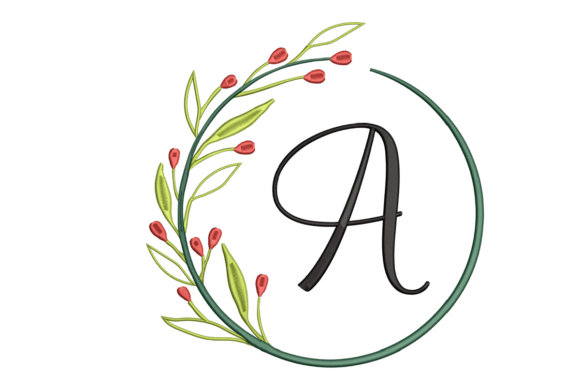
Monogram A: Elevating Handmade Gifts with Elegant Embroidery
As an embroidery designer who has spent countless hours hooping fabrics and tweaking tension settings, I know that the right design can make or break a personalized gift. When I first downloaded Monogram a from Creative Fabrica, I was looking for something versatile enough to handle both delicate baby items and sturdy home decor. What I found was a design that balances simplicity with sophistication, making it an ideal choice for crafters who want to offer high-quality, custom embroidery without overcomplicating their workflow.
This machine embroidery design falls under the Shapes category, but it offers far more than just a basic geometric form. It carries an emotional weight that resonates with buyers looking for meaningful, handmade products. Whether you are an Etsy seller scaling up your shop or a hobbyist creating gifts for family, understanding how this design performs in real-world scenarios is crucial for your success.
First Impressions: Visual Softness and Handmade Charm
The immediate appeal of Monogram a lies in its clean lines and balanced proportions. In the world of digital embroidery files, some designs feel too rigid or overly complex, leading to stitching issues on smaller hoops. This design, however, exudes a sense of warmth and elegance. It feels classic yet modern, avoiding the trap of looking dated or overly trendy. For a personalized gift, this visual softness is key. It suggests care and attention to detail, which translates directly into perceived quality for the end customer.
When I view this design through the lens of a creator, I see potential for various moods. It can be playful when stitched in bright pastels for a nursery item, or romantic and elegant when rendered in metallic threads for a wedding keepsake. The lack of excessive dense details allows the texture of the fabric to shine through, enhancing the handmade charm that buyers crave.
Versatility Across Product Lines
One of the strongest assets of Monogram a is its adaptability. As a small business owner, you need designs that work across multiple product categories to maximize your return on investment. Here is how this embroidery design fits into various popular niches:
- Baby Embroidery: The design scales beautifully for onesies, burp cloths, and baby blankets. Its open structure prevents puckering on stretchy knit fabrics, provided you use the correct stabilizer.
- Wedding Gifts: Imagine this monogram embroidered on linen napkins, wedding towels, or robe hangers. It adds a touch of luxury and personalization that couples appreciate.
- Home Decor: From pillow covers to tote bags, the design holds its shape well on heavier fabrics like canvas or denim. It serves as a subtle accent rather than an overwhelming centerpiece.
- Seasonal Items: By changing thread colors, you can adapt the monogram for holidays—think red and green for Christmas or soft pinks and blues for spring.
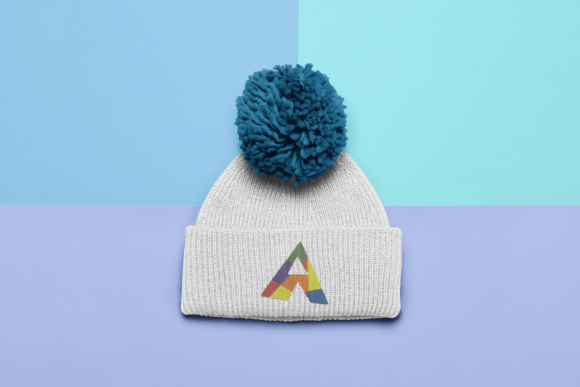
For those selling printable mockups or digital products, this design provides a clean aesthetic that photographs well. High-quality product photography relies on clear, crisp stitching, and Monogram a delivers that clarity, helping to boost buyer engagement and trust.
Practical Considerations for Stitching Success
While the design is user-friendly, practical embroidery concerns must be addressed to ensure a professional finished product. Since Monogram a is described as a high-quality embroidery design that comes with multiple embroidery file formats, it is essential to choose the format that matches your machine’s capabilities. However, regardless of the file type, several technical factors influence the outcome.
Fabric Texture and Stabilizer Choice
Embroidering on textured towels requires a different approach than stitching on smooth cotton. For terry cloth, a cut-away stabilizer is often necessary to support the stitches and prevent the fabric from pulling away. On the other hand, for woven fabrics like those used in aprons or tote bags, a tear-away stabilizer might suffice. Always test on a scrap piece of the same material to check how the fabric reacts to the needle penetration.
Thread Color Contrast
The visibility of the monogram depends heavily on thread color contrast. On dark fabrics, lighter threads will pop, but you must ensure the stitch density is sufficient to cover the background fabric. Conversely, on light fabrics, darker threads provide definition. Experimenting with thread colors before committing to a final product can save you from costly mistakes.
Stitch Density and Detail
Although specific stitch counts are not provided in the product description, the visual appearance suggests a moderate density. This is beneficial for washing durability, as overly dense stitches can cause fabric stiffness or tearing after repeated washes. For items like baby clothes or kitchen towels that undergo frequent laundering, ensuring the design is not too dense is vital for longevity.
Building Customer Trust and Brand Value
In the competitive market of handmade goods, perceived quality drives sales. A well-executed Monogram a signals professionalism. When customers receive a personalized gift with clean edges, no thread breaks, and proper alignment, their trust in your brand grows. This emotional value encourages repeat business and positive reviews.
For Etsy sellers and small shop owners, offering custom embroidery services using reliable designs like this one can differentiate your listings. Buyers are often willing to pay a premium for items that feel unique and thoughtfully crafted. By using a versatile design that works on various items—from custom gift boxes to nursery decor—you expand your target audience without needing to learn new techniques for each product.
Essential Pre-Production Steps
Before launching any new product line featuring Monogram a, follow these practical steps to ensure consistency and quality:
- Create a Test Stitch-Out: Never skip this step. Stitch the design on the actual fabric you plan to use for production. Check for any registration issues or thread breaks.
- Check Small Details: Inspect the curves and corners of the letter "A." Ensure they are smooth and not jagged. If adjustments are needed, consider using your machine’s editing software to tweak the pull compensation.
- Confirm Hoop Size: Verify that the design fits comfortably within your hoop size, leaving enough margin for secure hooping. This is especially important for smaller items like baby socks or pocket squares.
- Review Licensing Terms: While Monogram a is available on Creative Fabrica, always review the specific license terms regarding commercial use. Ensure you are compliant with any restrictions on selling finished products versus digital files.
- Document Your Process: Take notes on the thread brands, needle types, and stabilizers that yield the best results. This documentation will help you maintain consistency as you scale your production.
In conclusion, Monogram a is a valuable addition to any embroidery designer’s library. Its blend of aesthetic appeal and practical functionality makes it suitable for a wide range of personalized gifts and handmade products. By paying attention to fabric choices, stabilizer types, and stitching techniques, you can create stunning items that delight customers and elevate your brand. Whether you are crafting a wedding gift or a cozy baby blanket, this design offers the reliability and beauty needed to succeed in the world of custom embroidery.