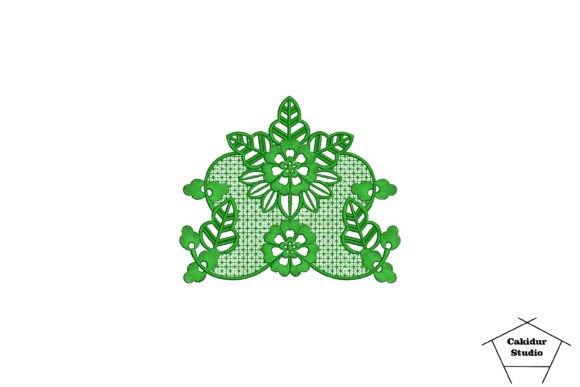
Green Floral Lace: A Designer’s Review for Craft Fairs
As an embroidery designer who has spent countless weekends behind a booth table, I know that the difference between a browser and a buyer often comes down to visual impact. When I first loaded the Green Floral Lace machine embroidery design into my software, my immediate thought was about versatility. This is not just another generic flower; it is a strategic asset for any handmade business looking to elevate their product line. The aesthetic sits comfortably in that sweet spot between rustic charm and modern elegance, making it a powerful tool for craft fair sellers and Etsy shop owners alike.
First Impressions and Visual Appeal
The title itself, Green Floral Lace, suggests a delicate, organic vibe. Upon closer inspection of the digitization, the design delivers on this promise. It falls squarely into the Outline Flowers category, which is currently trending because it offers a lighter, less dense look than traditional satin-stitch florals. This openness allows the fabric texture to show through, giving the finished product a premium, breathable feel. For a craft fair product, this is crucial. Customers at handmade markets are tactile shoppers; they want to touch the goods. A design that feels heavy or plastic-like can deter buyers, but this lace-style approach invites interaction.
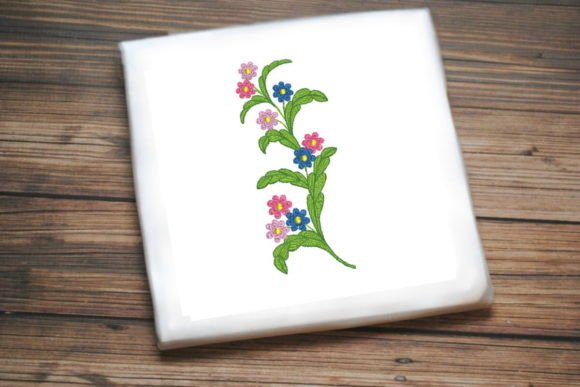
The color palette implied by the name—various shades of green—evokes freshness, nature, and calm. In a crowded marketplace, green stands out against the typical sea of bright pinks and reds. It appeals to the growing demographic of buyers seeking botanical, farmhouse, or eco-conscious decor. Whether you are aiming for a soft, minimal look or a more decorative, vintage style, this design adapts well. It does not scream for attention with neon brightness; instead, it whispers sophistication, which often commands a higher price point.
Strategic Product Placement for Maximum Sales
When preparing my booth display, I always ask: where does this design shine? Based on the description, this aesthetic floral embroidery is perfect for pillow covers, bed sheets, tablecloths, t-shirts, canvas, hoodies, or other items that need a creative touch. However, from a production and sales perspective, some applications are stronger than others.
- Tote Bag Design: Canvas tote bags are the bread and butter of many small shop products. The open structure of Green Floral Lace works beautifully here. It provides a focal point without overwhelming the bag’s utility. It photographs well for online listings, creating a clean, lifestyle-oriented image that resonates with Etsy sellers.
- Apron Embroidery: Kitchenware is a huge seller at holiday fairs. An apron featuring this lace pattern feels artisanal and thoughtful. It transforms a basic garment into a giftable handmade product that feels personal and high-quality.
- Tea Towel Embroidery: This is perhaps the most natural fit. The lightweight nature of the design complements the thin fabric of tea towels. It adds a touch of elegance to everyday items, encouraging customers to buy in sets.
- Embroidered Patch: If you offer custom patches, this design’s outline style ensures it remains legible even at smaller sizes. It avoids the bulkiness that can make patches stiff and uncomfortable.
For larger items like pillow covers or bed sheets, the design can be scaled up to create a repeating pattern or used as a central medallion. This flexibility makes it a valuable addition to your library of design assets. For apparel like t-shirts and hoodies, the lace effect offers a subtle branding opportunity that doesn’t feel like a corporate logo, appealing to boutique makers who want a softer brand presence.
Production Practicalities and Careful-Use Notes
While the design is visually stunning, practical production is key to maintaining profit margins. As a commercial embroidery professional, I must highlight several technical considerations before you run this on your main stock.
First, consider the stitch density. Outline designs generally have lower density, which is great for speed and reducing thread costs. However, this means the stability of the fabric becomes more critical. On textured towels or loose-weave canvas, the design might sink in if not properly supported. Always use the right stabilizer. For stretchy fabrics like hoodies, a cut-away stabilizer is non-negotiable to prevent distortion. For woven fabrics like tablecloths, a tear-away might suffice, but test it first.
Second, pay attention to thread colors. Since this is a "Green" floral lace, the nuance of your thread choice will define the final look. A single shade of green may look flat. Consider using variegated thread or blending two similar shades to add depth and mimic the natural variation found in real leaves. This small detail can significantly increase the perceived value of the finished product.
Third, be cautious with hoop size and placement. While the design is versatile, ensure it fits comfortably within your standard hoop without requiring excessive re-hooping, which slows down batch production. If you are placing it on curved surfaces like caps, remember that outline designs can sometimes appear distorted if the curve is too aggressive. Test on a scrap cap before committing to inventory.
Finally, avoid using this design on very dark fabrics unless you are confident in your contrast choices. The delicate lines of lace can get lost against black or navy backgrounds. It performs best on light neutrals, whites, creams, and pastels, where the green threads can pop naturally.
Boosting Brand Consistency and Buyer Engagement
Incorporating Green Floral Lace into your product line does more than just add a pretty picture; it strengthens your brand identity. If your shop focuses on natural, sustainable, or calming aesthetics, this design reinforces that message. It creates a cohesive look across different items, from a tote bag to a kitchen towel, making your booth display look curated and professional.
For digital sellers, this machine embroidery design is a strong candidate for your catalog. Buyers look for files that are easy to stitch and versatile. By providing clear instructions on recommended fabric types and stabilizers, you add value to the digital embroidery file itself. Create at least one real printable mockup or high-quality photo of the stitched-out design to show potential buyers exactly what they can achieve. This reduces hesitation and increases conversion rates.
Before you launch, remember to check the specific details included with the file. The description notes that this machine embroidery design comes with certain attributes, but it does not specify exact stitch count, file formats, or license terms. Always verify these details. Ensure you have the appropriate commercial license if you plan to sell the finished products. Confirm the available hoop sizes to ensure compatibility with your machines.
In conclusion, Green Floral Lace is a robust, market-ready design that balances aesthetic appeal with production efficiency. It is ideal for craft fair sellers looking to expand their home decor and accessory lines with items that feel both handmade and high-end. By paying attention to fabric choice, stabilizer selection, and thread contrast, you can turn this simple outline flower into a best-selling staple of your embroidery business.